Learn anything
Clear, comprehensive articles on every subject — explained simply for students and lifelong learners.


The Analytical Logic of the Chain Rule
The chain rule calculus stands as one of the most powerful and elegant pillars of mathematical analysis, providing the necessary machinery to differentiate composite functions. At its core, the chain...

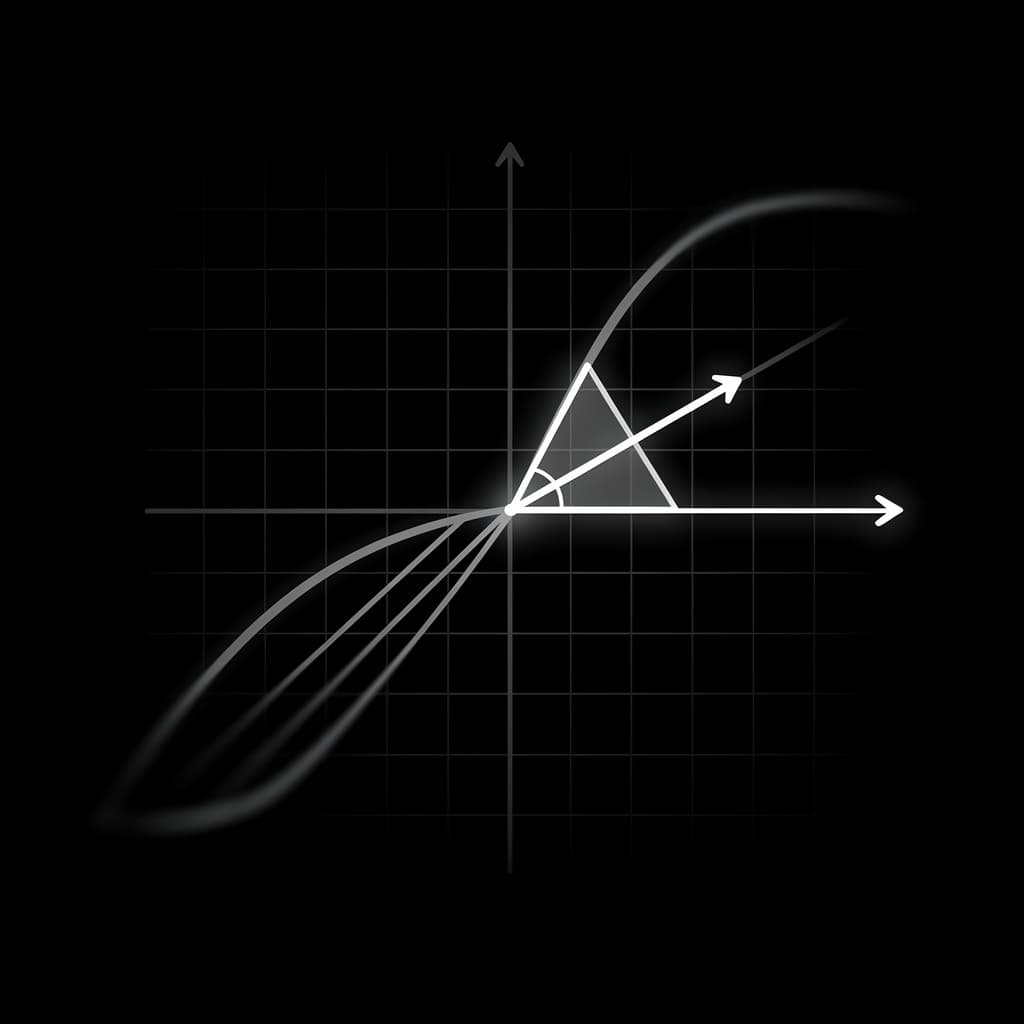
The Analytical Mechanics of Rates of Change
The study of analytical mechanics and the calculus of variations begins with a fundamental inquiry into the nature of change. In the static world of elementary algebra, variables represent fixed...


The Statistical Logic of Central Tendency
In the vast landscape of quantitative analysis, the ability to distill a complex array of numbers into a single, representative value is fundamental to human understanding. This process is governed...


The Calculus of Accumulation: Mastering Integration
Integral calculus represents one of the most significant intellectual achievements in the history of mathematics, serving as the essential tool for understanding accumulation and total change. While...


The Elegant Logic of Logarithmic Functions
The development of logarithmic functions represents one of the most significant cognitive leaps in the history of mathematics, fundamentally altering how humanity processes large-scale data and...


The Geometric Logic of Trigonometric Functions
Trigonometry, derived from the Greek words trigonon (triangle) and metron (measure), represents one of the most elegant and foundational branches of mathematics. At its core, it is the study of the...


Mastering the Mechanics of Matrix Multiplication
Matrix multiplication is a cornerstone of modern mathematics, serving as the primary engine for everything from three-dimensional computer graphics to the complex algorithms driving artificial...


The Statistical Logic of Standard Deviation
In the realm of descriptive statistics, the quest to summarize vast quantities of data often begins with measures of central tendency, such as the mean, median, and mode. However, knowing the average...
The Procedural Logic of Derivative Rules
Calculus, the mathematical study of continuous change, rests upon two pillar concepts: the derivative and the integral. While the integral calculates the accumulation of quantities, the derivative...


The Visual Logic of Trigonometric Identities
The study of trigonometric identities serves as the bridge between static geometry and the dynamic analysis of periodic phenomena. While many students first encounter trigonometry as a collection of...

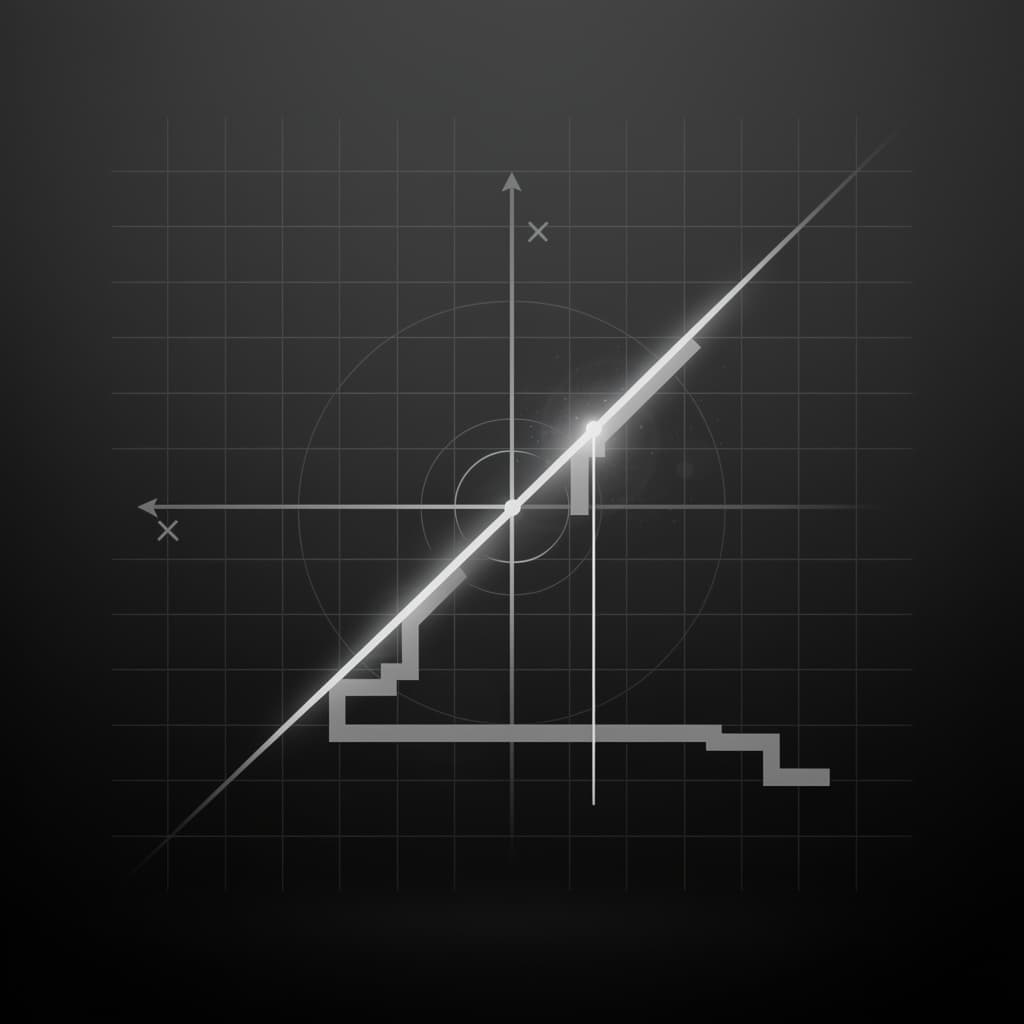
The Linear Logic of Slope-Intercept Form
The slope intercept form , represented by the iconic equation $y = mx + b$, serves as the bedrock of coordinate geometry and introductory algebra. This formula provides a direct bridge between...
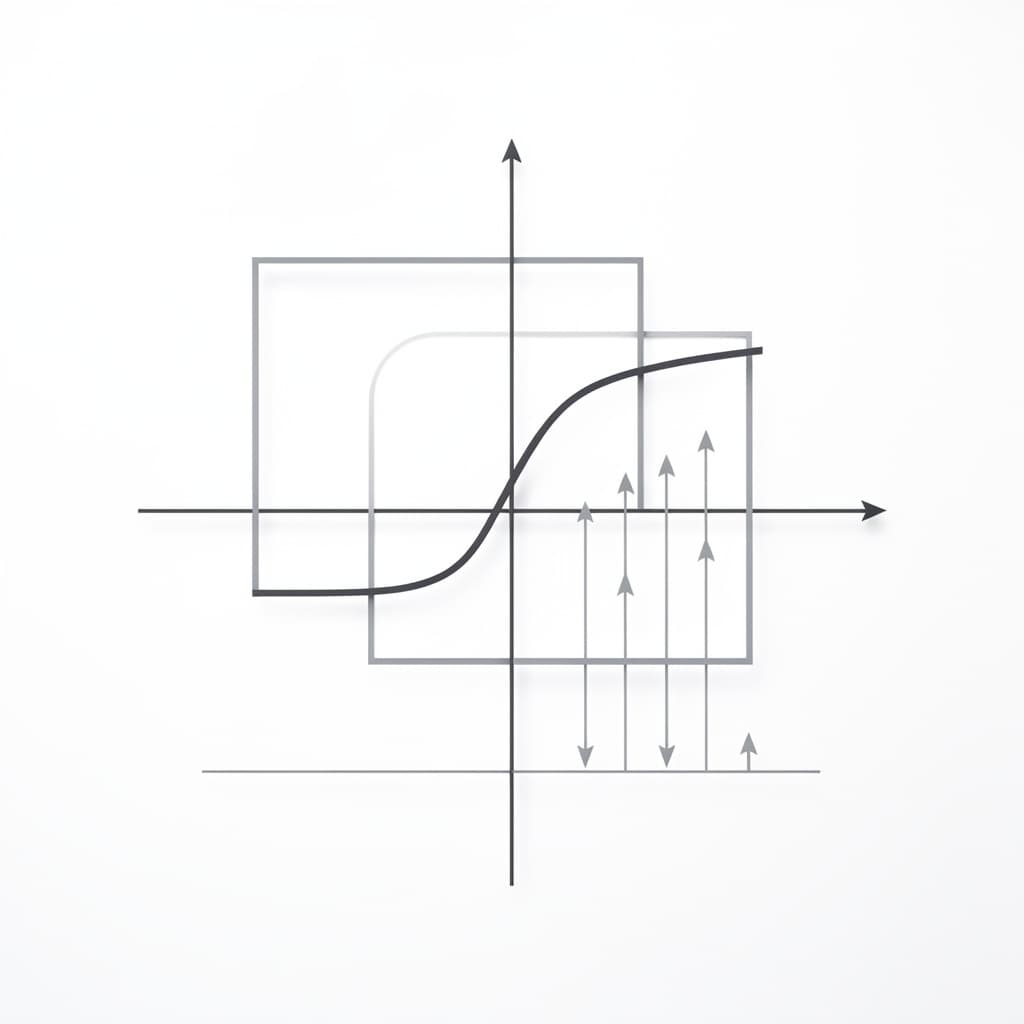
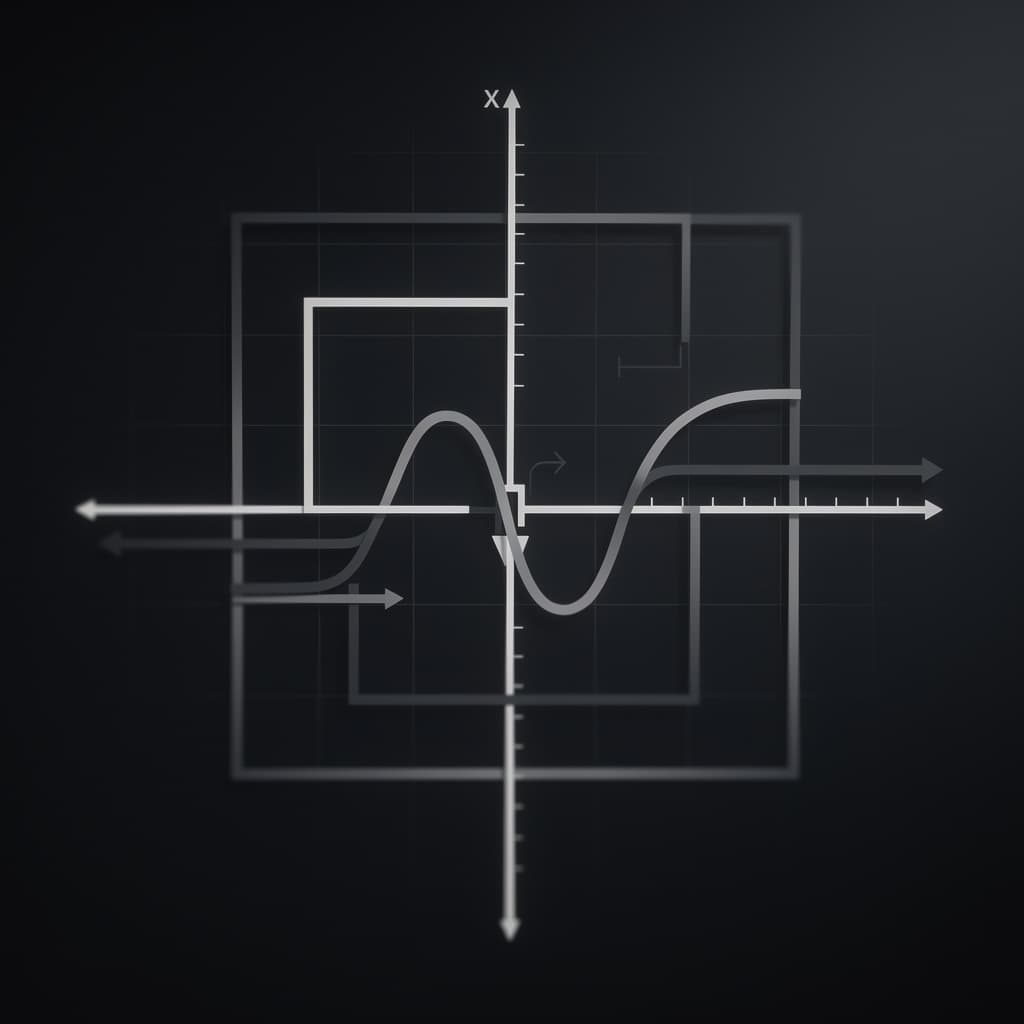
Mapping the Boundaries of Mathematical Functions
The study of mathematical functions serves as the bedrock of modern analysis, providing a rigorous framework for describing how varying quantities interact. At the heart of this framework lie two...