Learn anything
Clear, comprehensive articles on every subject — explained simply for students and lifelong learners.
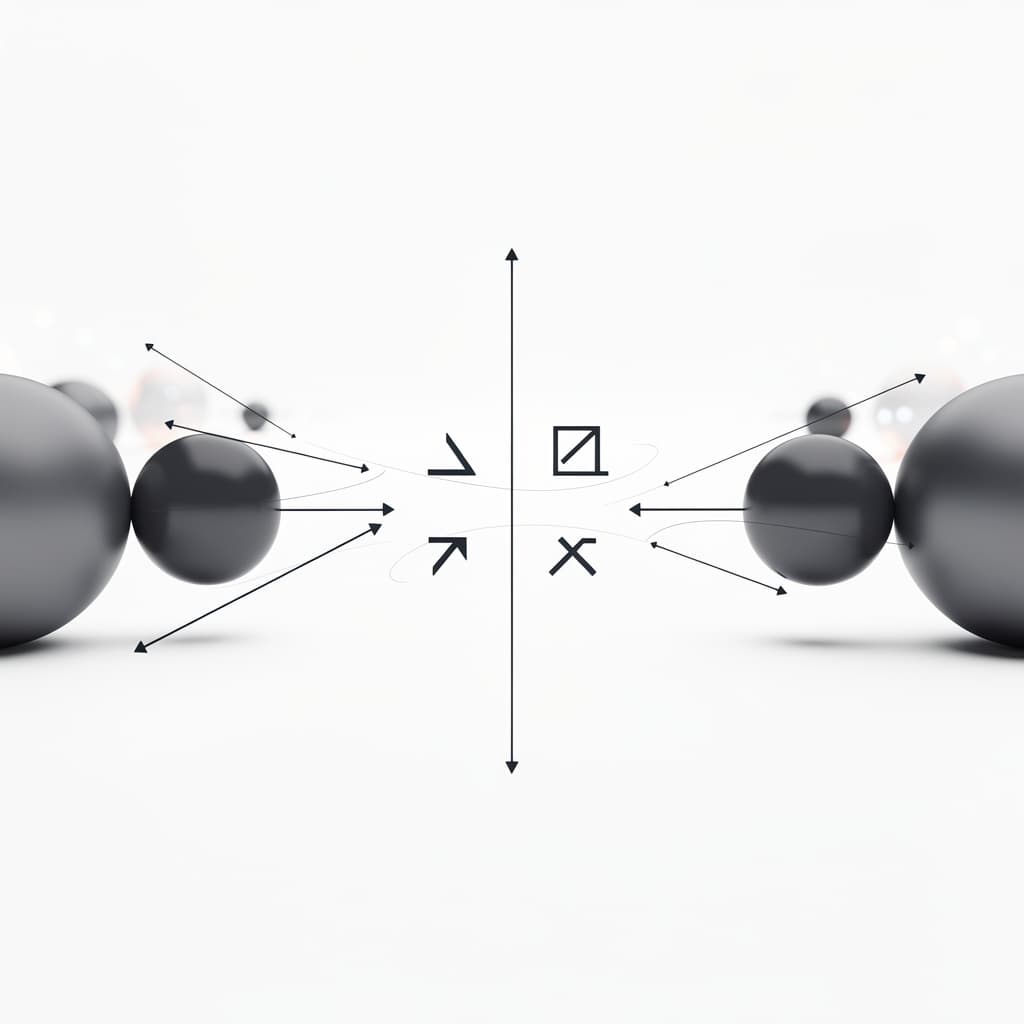
The Quantitative Logic of Conservation of Momentum
The study of motion often begins with the observation of objects in transit, yet the underlying principles that govern these interactions are far more profound than simple displacement. At the heart...

The Electrodynamic Logic of Ohm's Law
At the heart of modern electrical engineering and classical electrodynamics lies a deceptively simple relationship that governs the behavior of almost every electronic device in existence. This...

The Fundamental Logic of Work and Energy
The study of work energy and power represents the foundational framework through which physicists understand the interactions of matter and the driving forces of the universe. At its core, this triad...

The Universal Logic of Heat and Entropy
Thermodynamics stands as one of the most resilient and profound pillars of modern physics, providing a universal framework for understanding how energy moves, transforms, and ultimately dictates the...
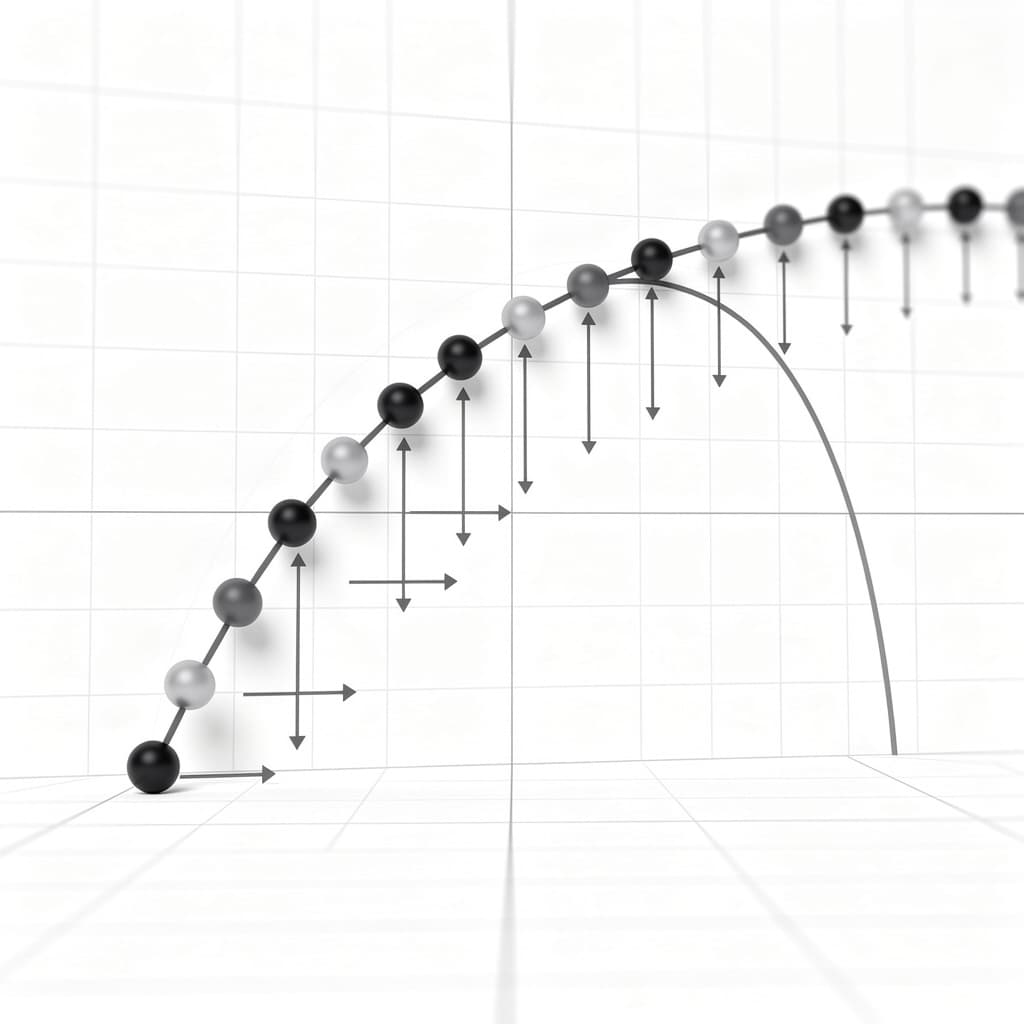
The Kinematic Logic of Projectile Motion
The study of projectile motion represents one of the most fundamental intersections between abstract mathematics and the physical world. It describes the motion of an object—a projectile—that is...

The Fundamental Principles of Light Refraction
The refraction of light is a fundamental optical phenomenon that describes the change in direction of a light wave as it passes from one transparent medium into another. This bending occurs because...
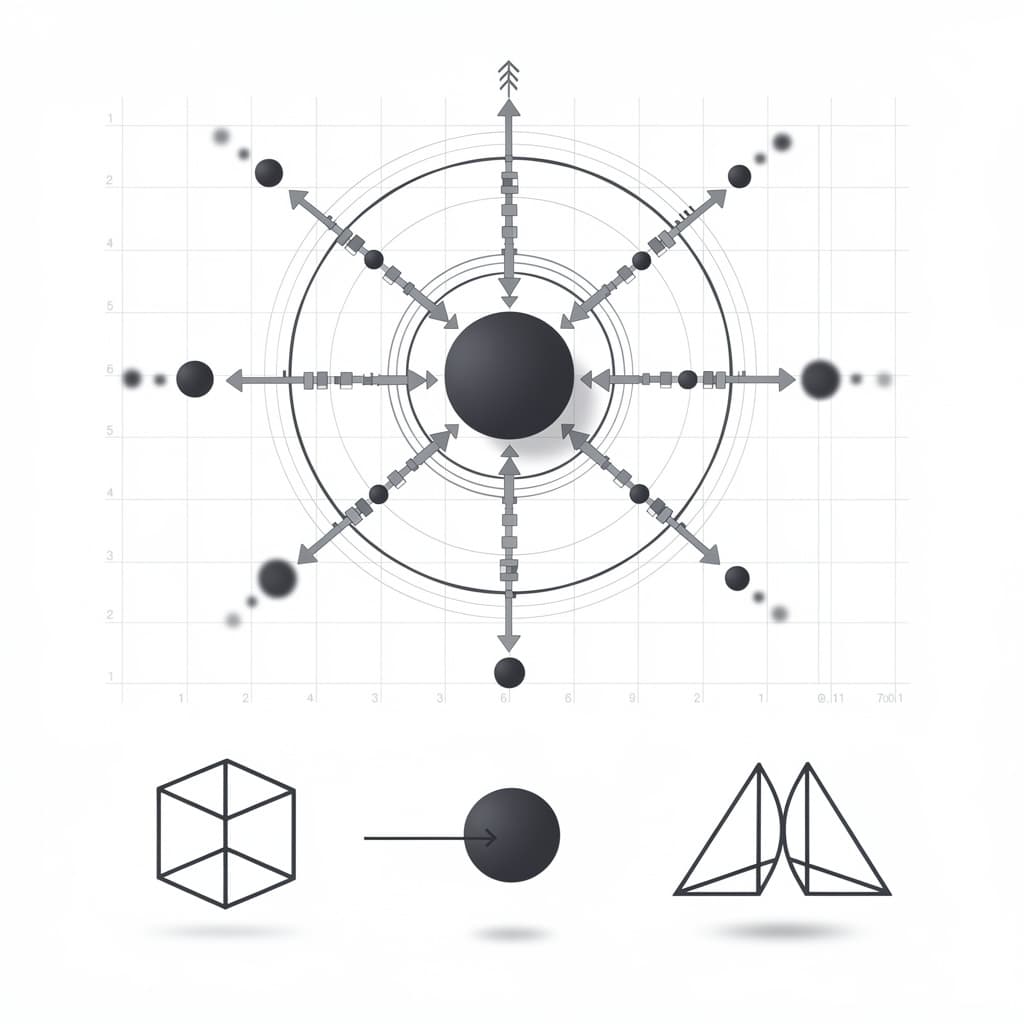
The Universal Logic of Newton's Laws
The publication of Isaac Newton’s Philosophiæ Naturalis Principia Mathematica in 1687 marked a definitive turning point in human history, signaling the birth of classical mechanics and the end of the...

The Fundamental Logic of Classical Motion
The study of classical mechanics is fundamentally anchored in the three principles formulated by Sir Isaac Newton in the late 17th century. These principles, collectively known as newton's laws of...

The Elegant Logic of Ohm's Law
At the heart of every electronic device, from the simplest flashlight to the most sophisticated quantum processor, lies a fundamental principle that governs the movement of energy. To understand what...

The Foundational Logic of Thermodynamics
The field of thermodynamics is often described as the most secure of all physical sciences because its principles are derived from the simple observation of macroscopic systems rather than specific...

The Underlying Mechanics of Work and Energy
The concepts of work energy and power form the bedrock of classical mechanics, providing a mathematical framework to describe how objects interact and how the universe maintains its structural...
The Elegant Symmetry of Momentum and Impulse
In the study of classical mechanics, few principles possess the mathematical beauty and universal applicability of the relationship between momentum and impulse. While Isaac Newton’s laws of motion...