Learn anything
Clear, comprehensive articles on every subject — explained simply for students and lifelong learners.


The Mechanical Equilibrium of Floating Bodies
The study of hydrostatics and the mechanical equilibrium of floating bodies represents one of the oldest and most foundational branches of classical physics. At its core, the interaction between a...
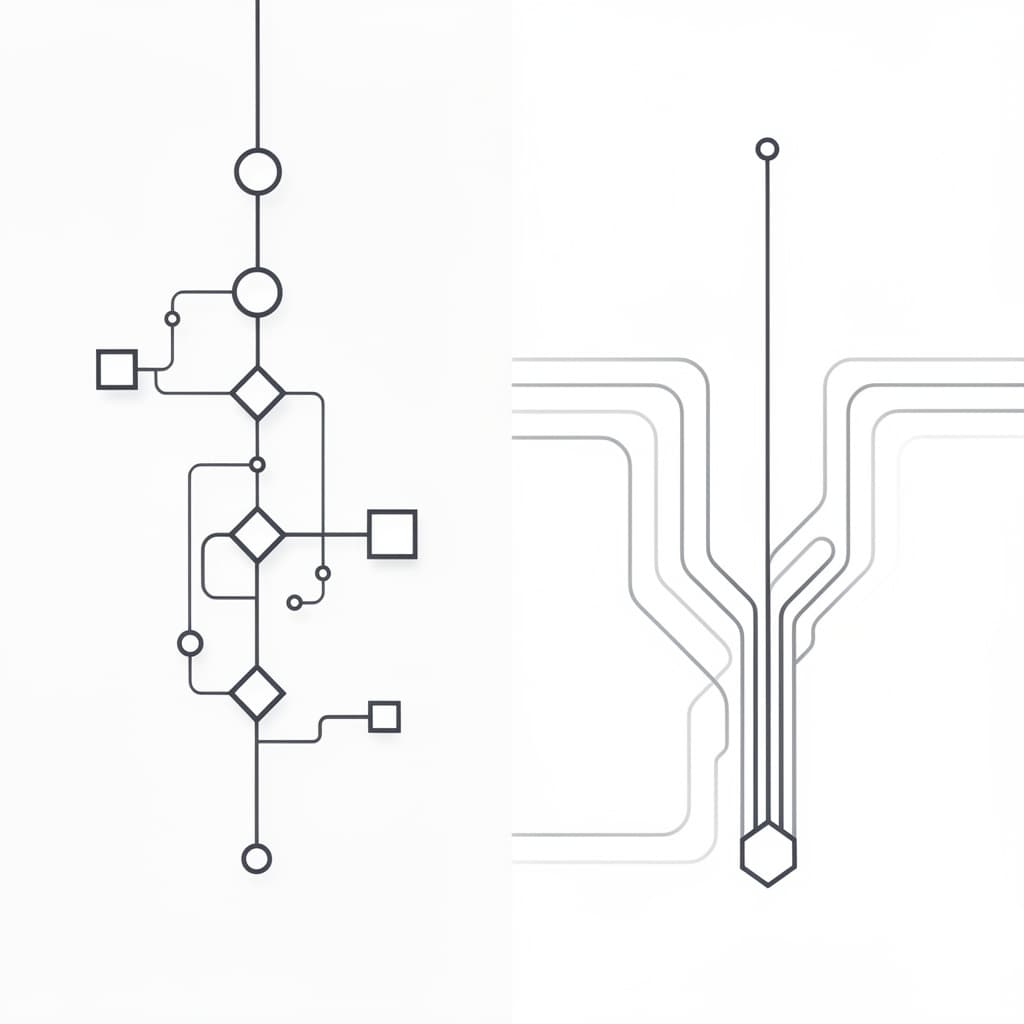
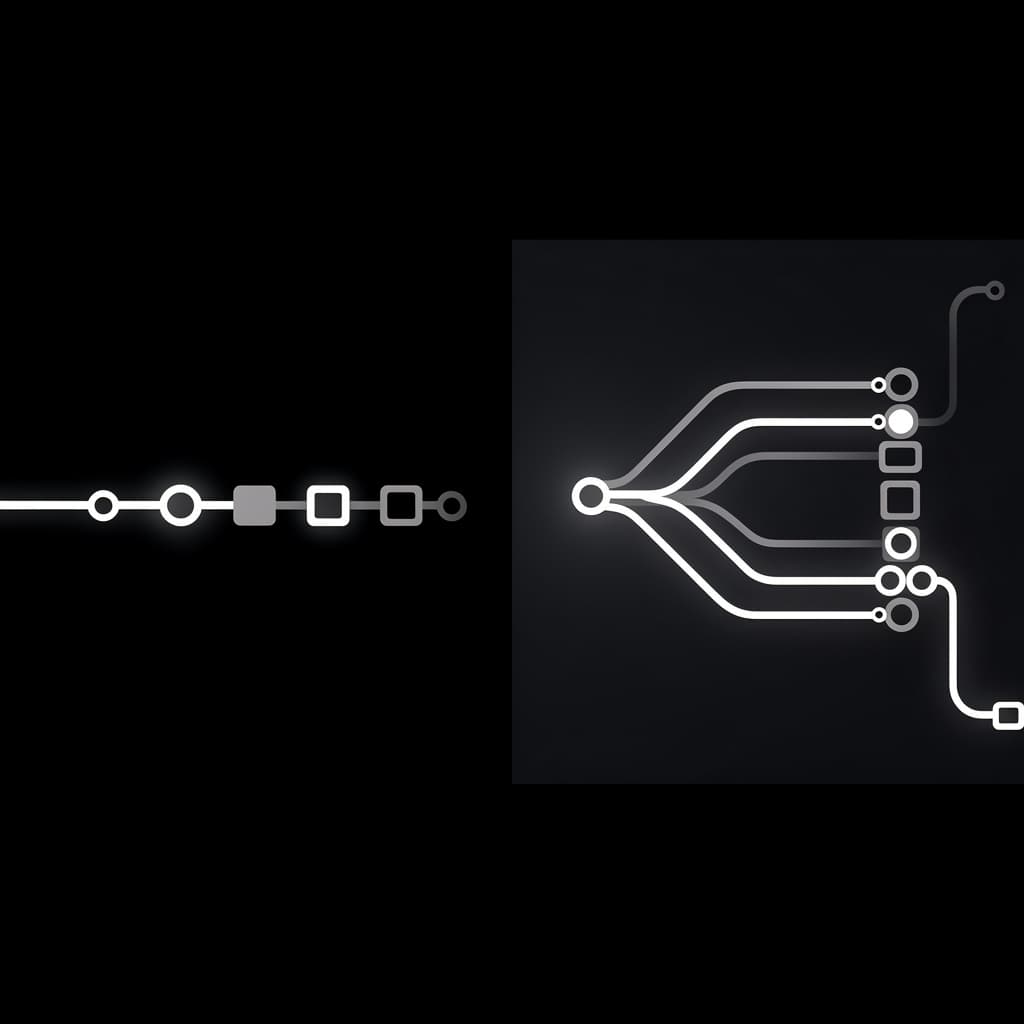
Architecture of Series and Parallel Circuits
The study of electrical networks begins with an understanding of how components are physically and logically interconnected to facilitate the flow of charge. In the realm of physics and electrical...
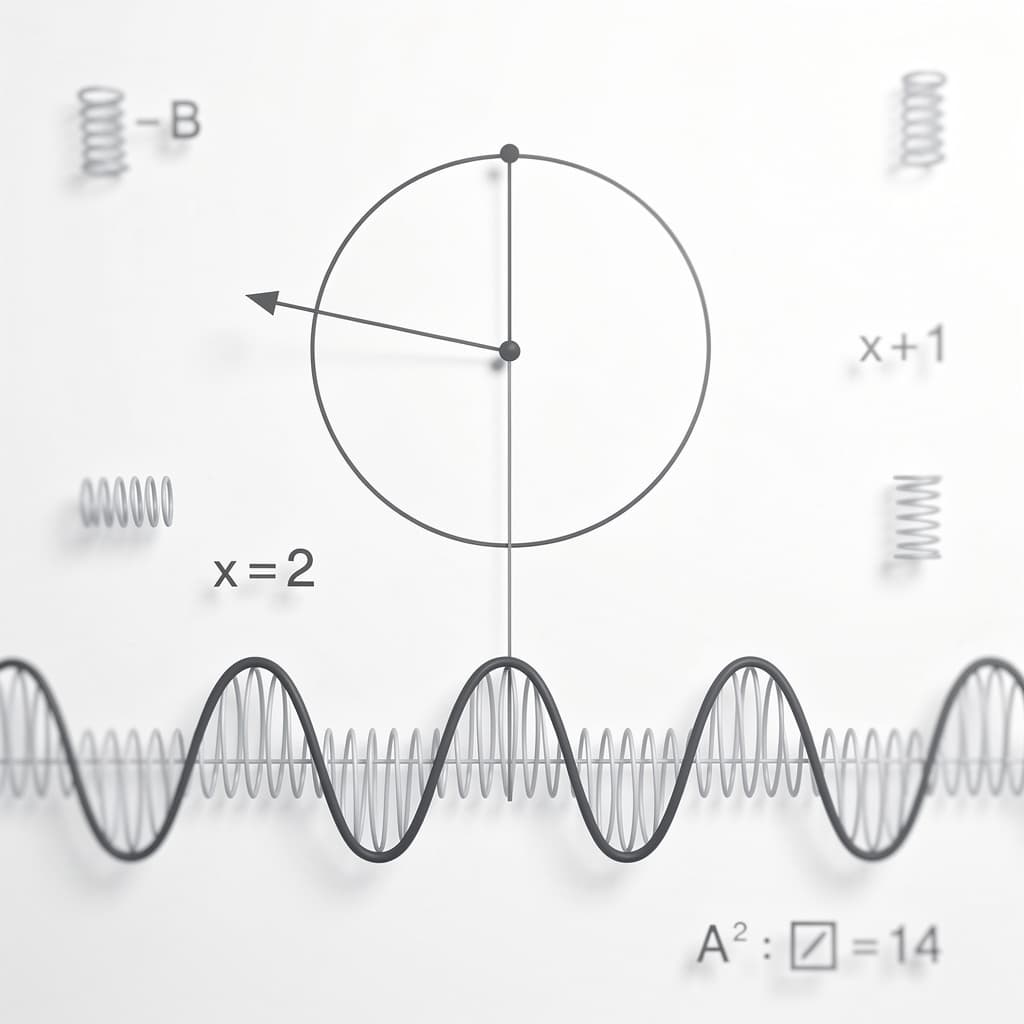
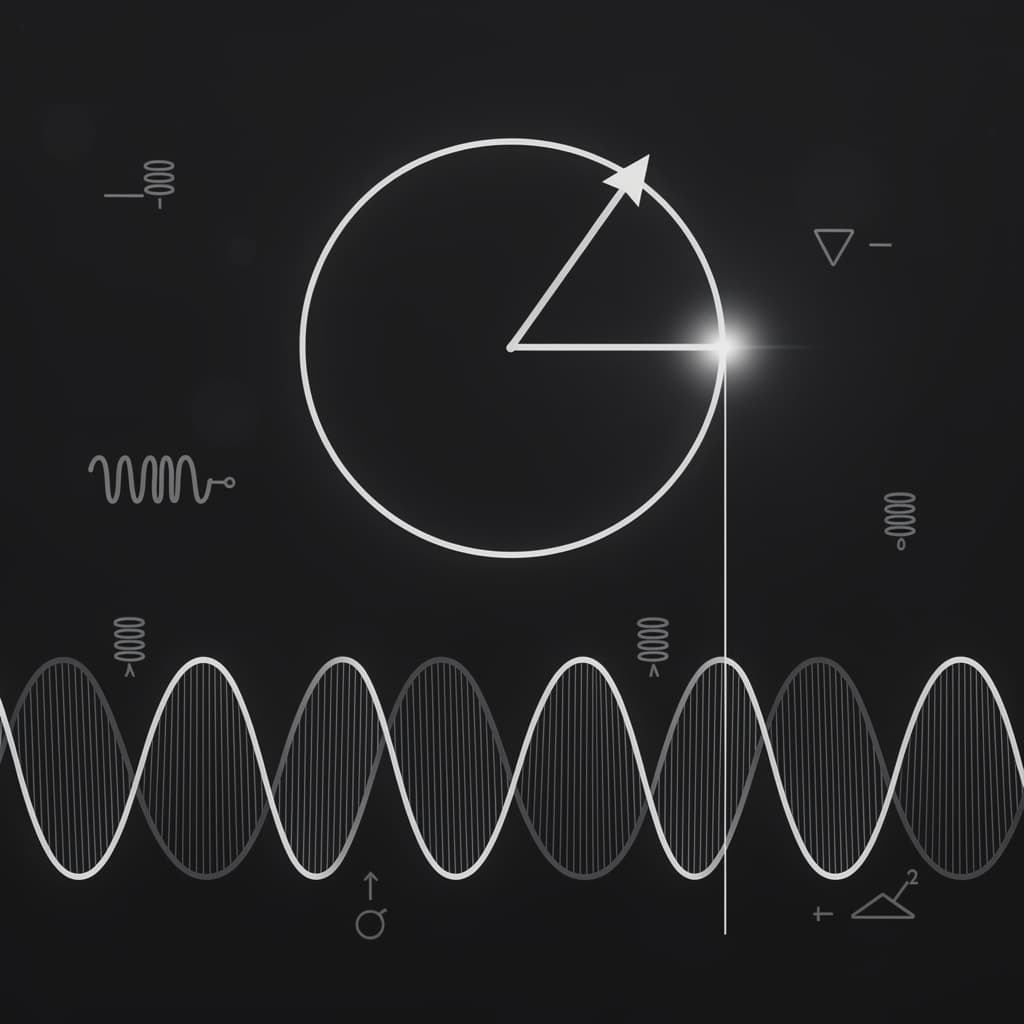
The Elegant Mechanics of Harmonic Motion
The study of physical systems that repeat their behavior over time, known as oscillatory motion, forms the backbone of classical mechanics and provides the foundational language for modern quantum...
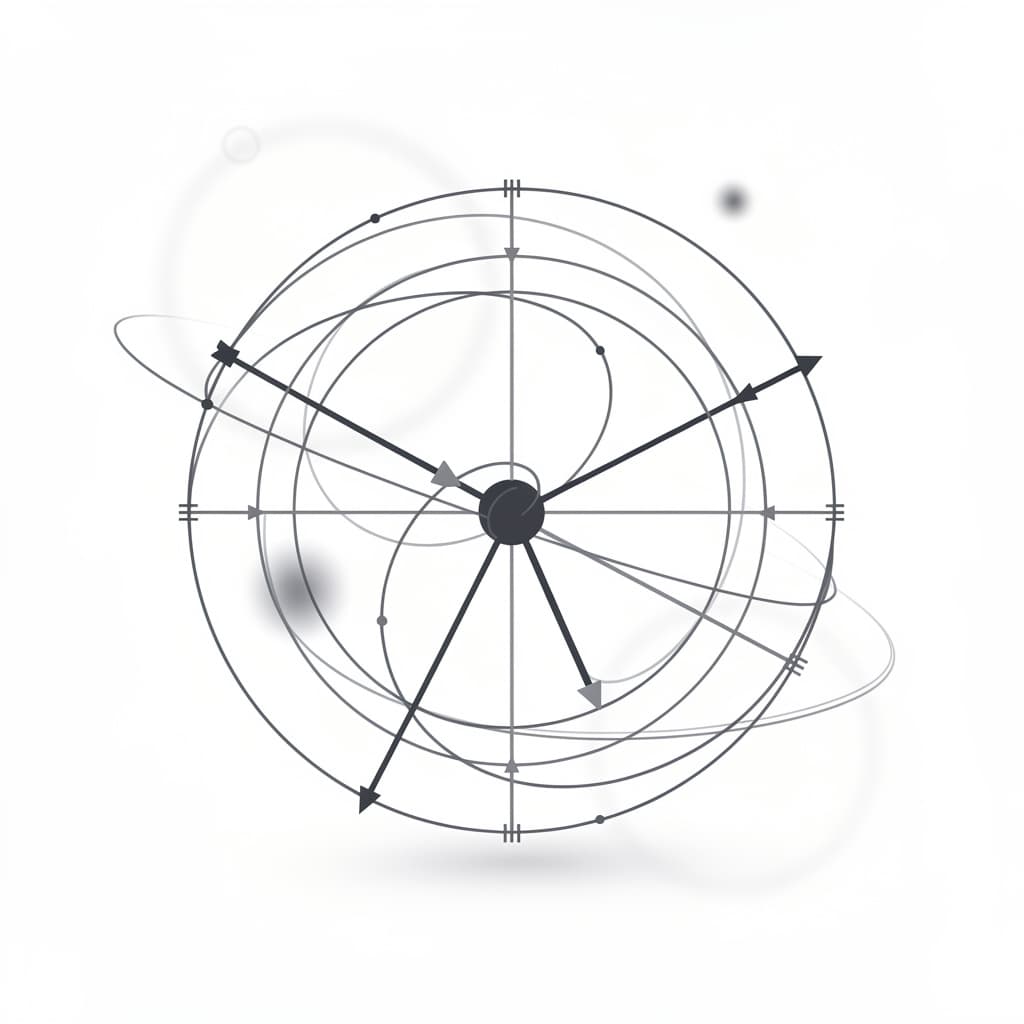
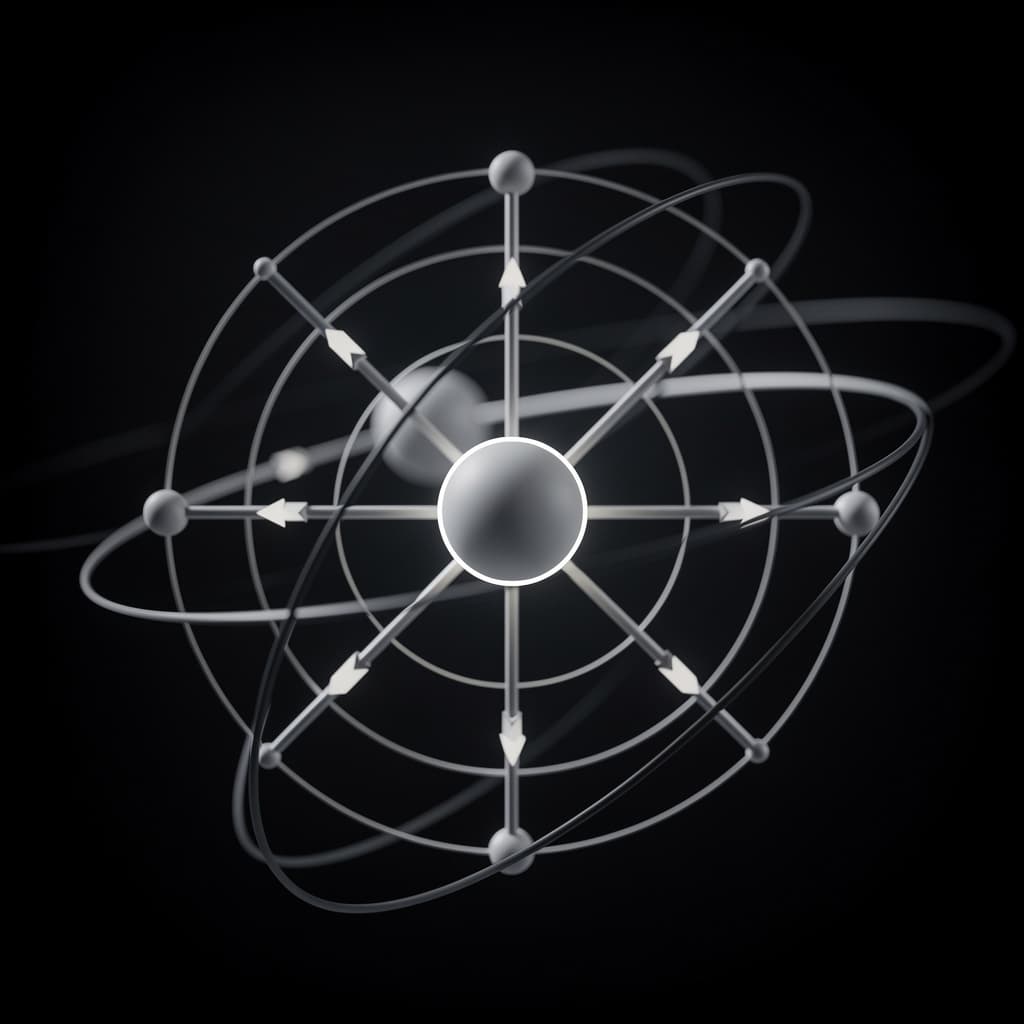
Centripetal Force: The Geometry of Circular Motion
The concept of centripetal force serves as the fundamental link between linear momentum and curvilinear geometry, explaining why objects deviate from straight-line paths to follow circular...


The Quantum Logic of the Photoelectric Effect
The transition from classical physics to quantum mechanics was not a smooth evolution but a radical departure necessitated by phenomena that the wave theory of light could not explain. Among these,...

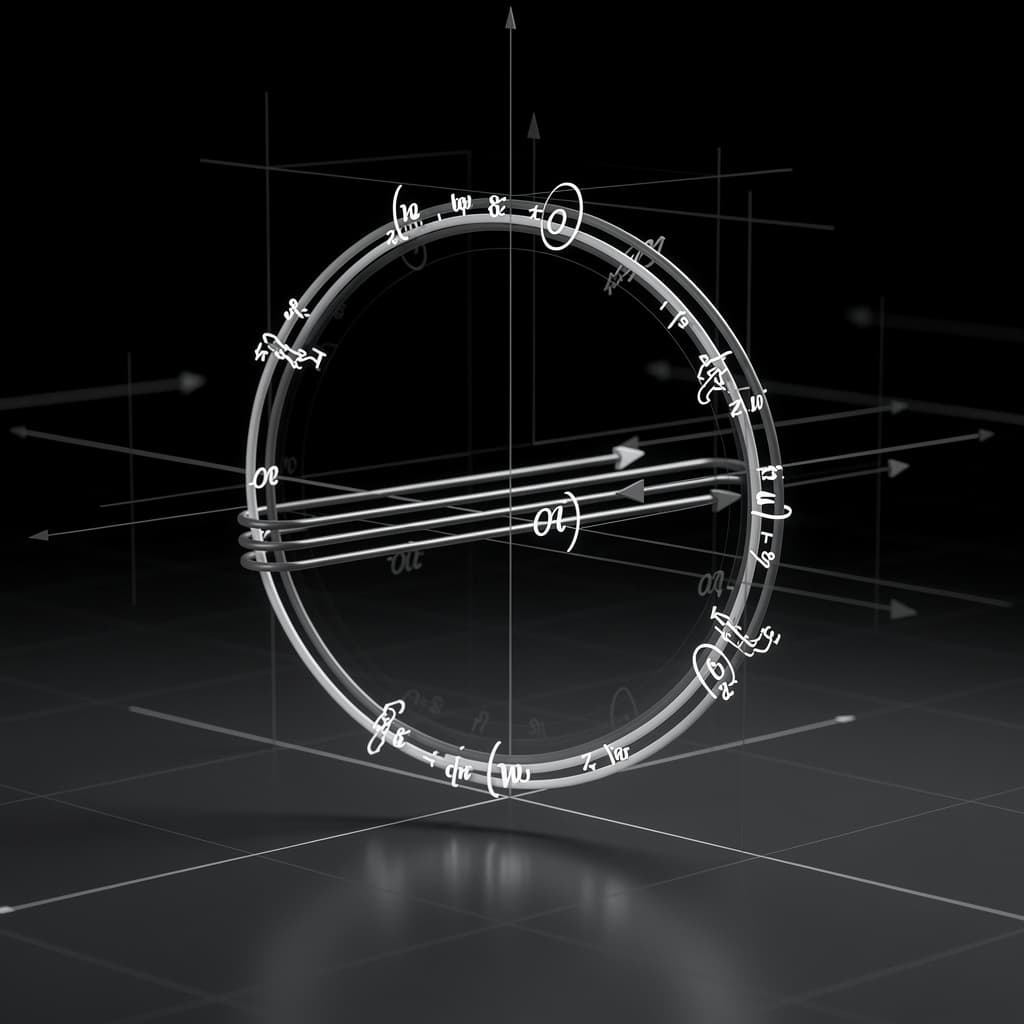
The Mathematical Architecture of Electromagnetic Induction
The discovery of electromagnetic induction in 1831 by Michael Faraday and independently by Joseph Henry represents one of the most significant milestones in the history of science. It provided the...

The Analytical Logic of the Doppler Effect
The auditory experience of a siren passing by is one of the most common sensory introductions to the field of wave kinematics. As the vehicle approaches, the pitch of the siren sounds notably higher...


The Mechanics of Linear Momentum and Collisions
In the study of classical mechanics, linear momentum serves as a fundamental cornerstone that bridges the gap between the abstract concept of motion and the tangible results of physical interactions....

The Work-Energy Theorem: Principles and Mechanics
The study of mechanics is fundamentally an investigation into how forces influence the motion of objects. While Newtonian mechanics provides a robust framework through the three laws of motion,...

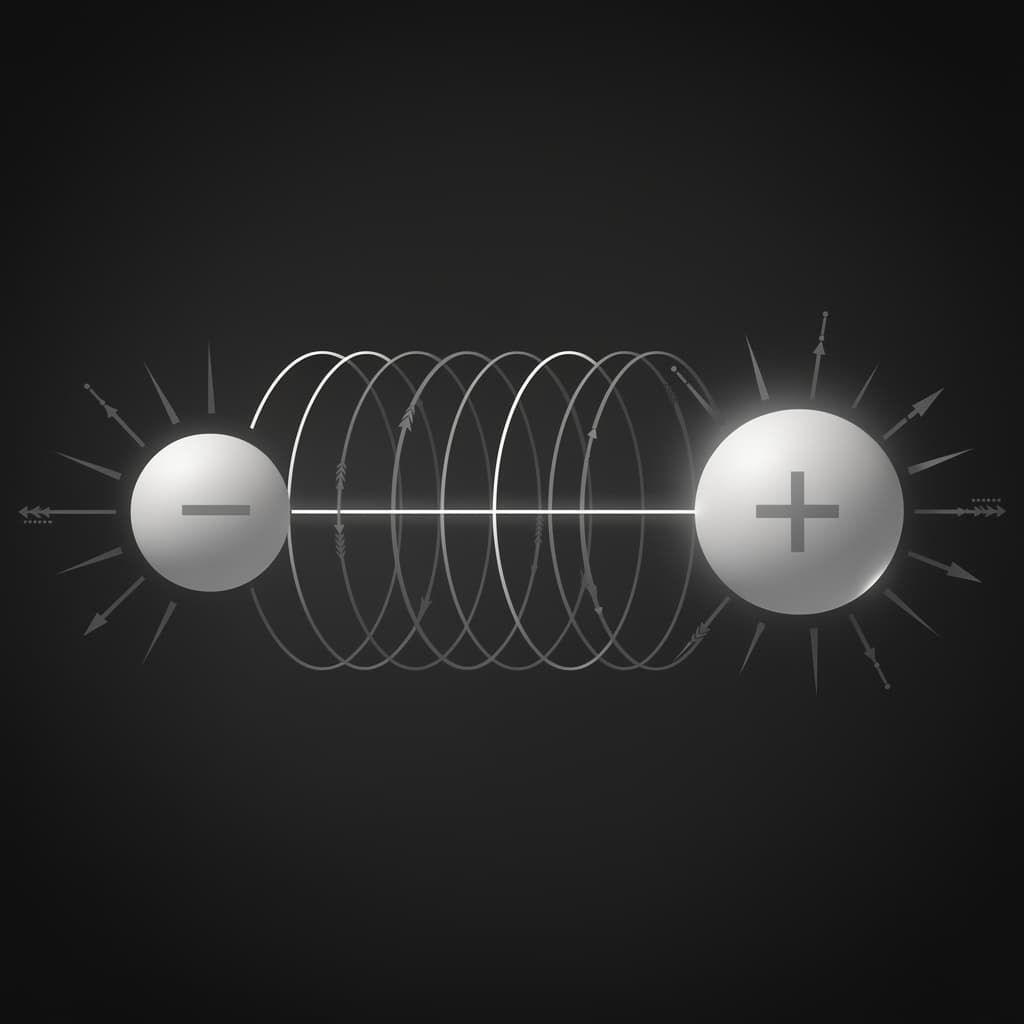
The Elegant Symmetry of Coulomb's Law
The study of electromagnetism represents one of the most significant triumphs in the history of physical science, serving as the bridge between classical mechanics and the modern understanding of the...

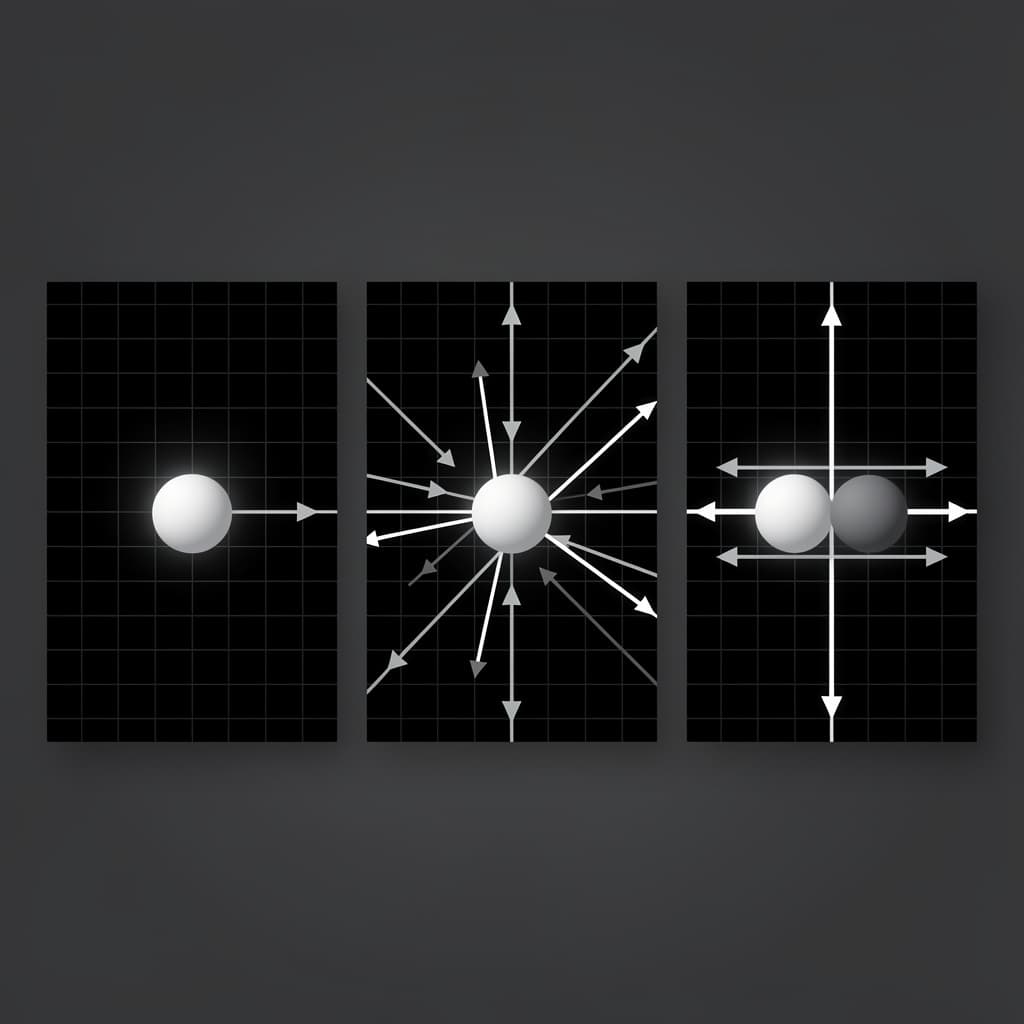
Newton's Laws: The Architecture of Motion
The publication of Philosophiæ Naturalis Principia Mathematica in 1687 marked a definitive turning point in human history, transitioning natural philosophy into the rigorous discipline of modern...
The Fundamental Principles of Light Refraction
The refraction of light is a fundamental optical phenomenon that describes the change in direction of a light wave as it passes from one transparent medium into another. This bending occurs because...