Learn anything
Clear, comprehensive articles on every subject — explained simply for students and lifelong learners.

The Structural Logic of Intermolecular Forces
The macroscopic world we perceive—the fluidity of water, the rigidity of plastic, and the volatile scent of perfume—is governed not just by the atoms within a molecule, but by the subtle and diverse...

The Universal Logic of Chemical Transformations
Chemistry is often described as the central science because it bridges the physical world of physics with the biological world of life. At its core, chemistry is the study of matter and the changes...
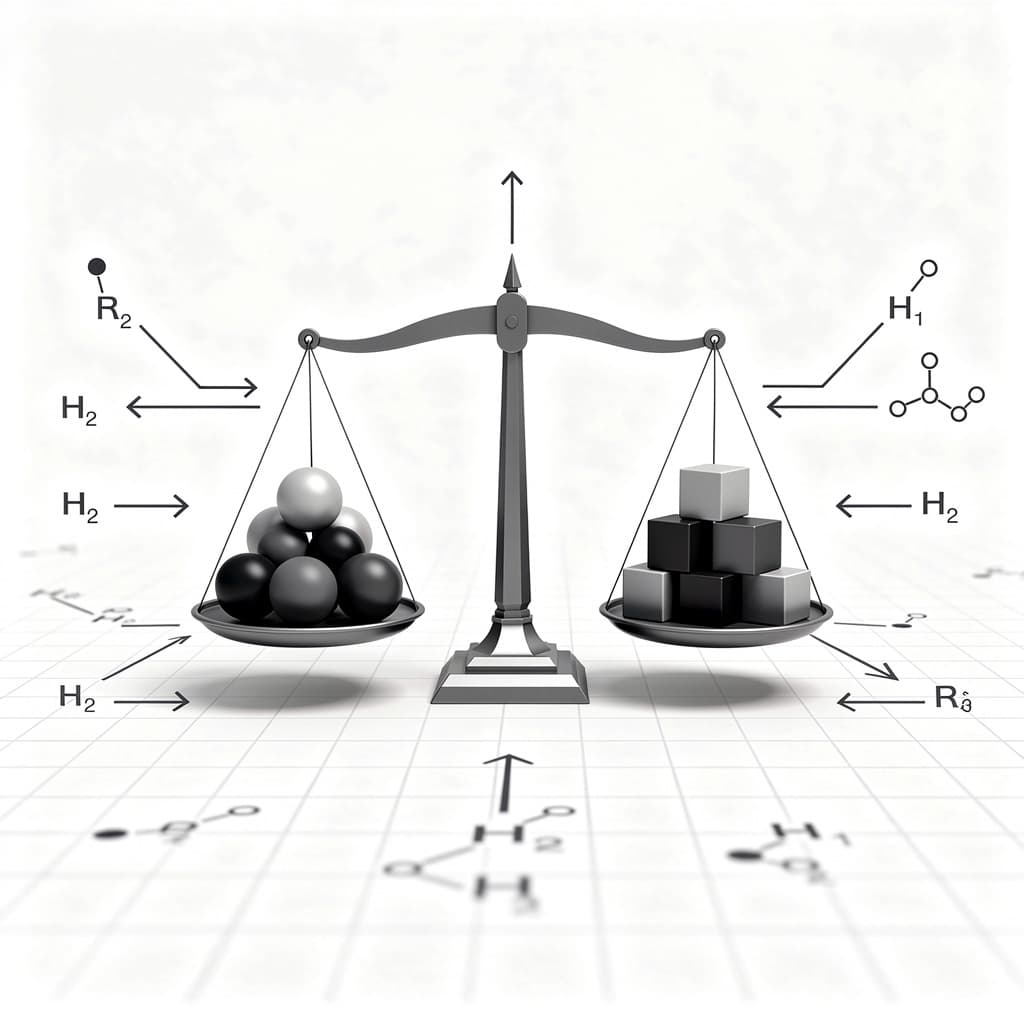
The Systematic Logic of Stoichiometry
The study of stoichiometry serves as the mathematical backbone of all chemical science, providing a rigorous framework for quantifying the relationships between the substances consumed and produced...

The Molecular Logic of Acids and Bases
The study of acids and bases represents one of the most foundational chapters in the history of chemistry, serving as a bridge between ancient alchemical observations and modern molecular quantum...

The Systematic Logic of Periodic Table Trends
The periodic table is not merely a static directory of elements but a dynamic map of atomic behavior dictated by the laws of quantum mechanics and electromagnetism. At its core, the arrangement of...

The Atomic Logic of Chemical Bonding
Chemical bonding is the fundamental physical process responsible for the interactions between atoms and molecules, which confers stability to diatomic and polyatomic chemical compounds. At its core,...
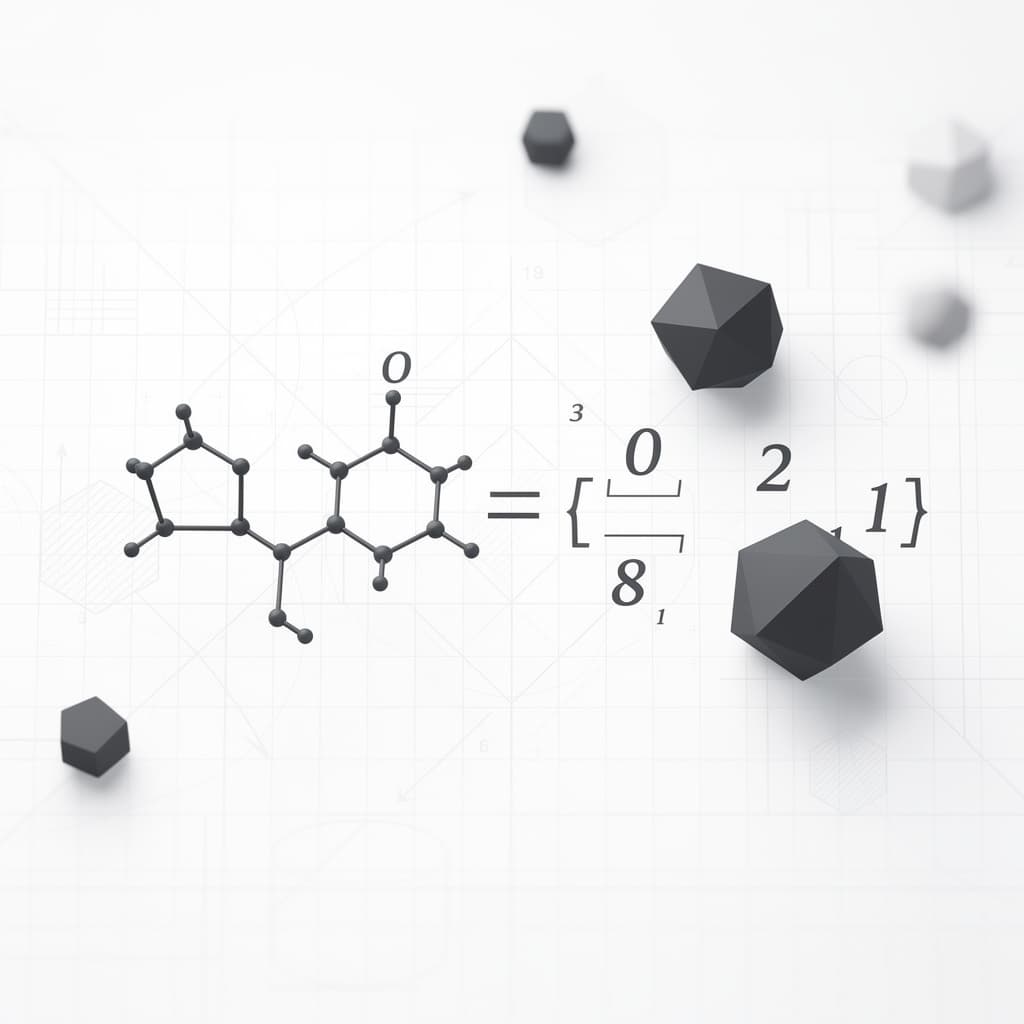
Mastering the Quantitative Logic of Stoichiometry
Stoichiometry represents the mathematical backbone of chemical science, serving as the quantitative bridge between the invisible world of atoms and the measurable reality of the laboratory. At its...

The Dynamic Logic of Chemical Equilibrium
The concept of chemical equilibrium represents one of the most profound realizations in the history of physical science, marking the transition from a static view of matter to a dynamic,...

The Quantum Logic of Electron Configuration
The electron configuration of an atom represents the numerical distribution of its electrons across various atomic orbitals, serving as a fundamental map for understanding chemical behavior. This...
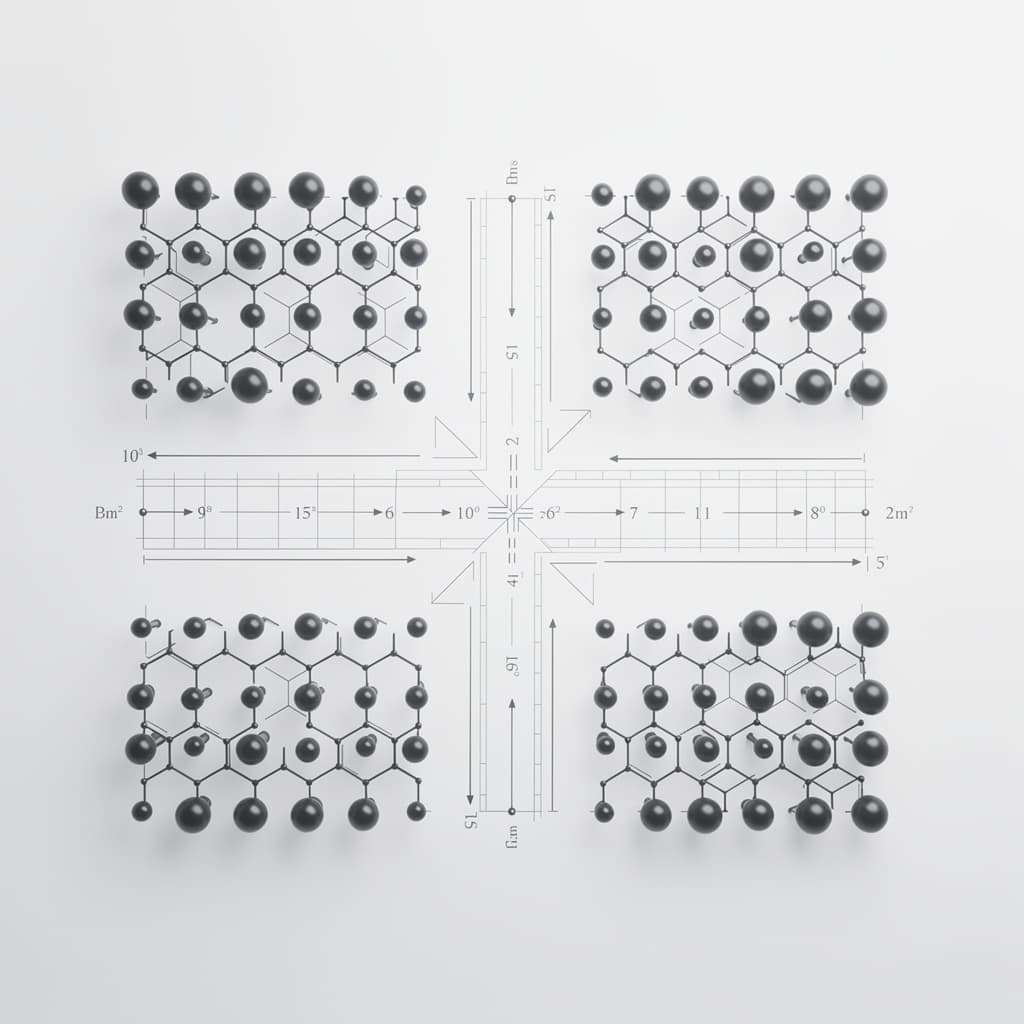
The Quantitative Logic of Stoichiometry
Stoichiometry serves as the quantitative backbone of modern chemistry, providing a rigorous mathematical framework to predict the outcomes of chemical reactions. The term, derived from the Greek...

The Molecular Logic of Acids and Bases
The interaction between acids and bases represents one of the most fundamental chemical motifs in the natural world, governing everything from the cellular respiration in our lungs to the industrial...

The Structural Logic of Periodic Table Trends
The periodic table is not merely a catalog of the known elements; it is a profound map of the underlying physical laws that govern the behavior of matter. Developed primarily by Dmitri Mendeleev and...