The Molecular Logic of Protein Synthesis
Learn the steps of protein synthesis. Master the central dogma of molecular biology by exploring the roles of transcription and ribosome function in cells.
In this article1. The Central Dogma of Molecular Biology
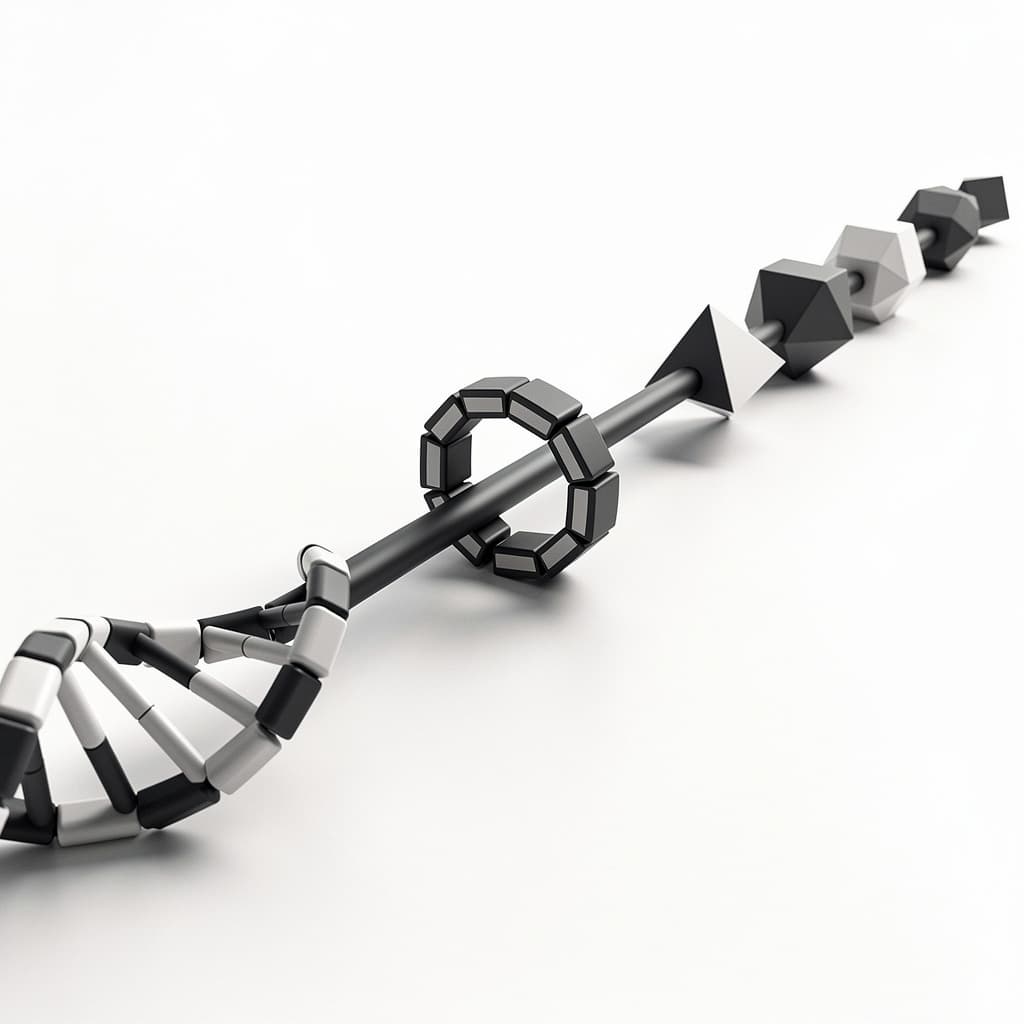
The process of protein synthesis represents the fundamental operational logic of all known life, acting as the bridge between static genetic information and the dynamic biochemical machinery of the cell. At its core, this process involves the conversion of digital information stored in the nucleotide sequence of DNA into the analog functional forms of folded polypeptides. This transformation is governed by a precise set of molecular rules and catalytic interactions that ensure the high-fidelity transmission of biological instructions. By understanding the intricate steps of transcription and translation, we gain insight into how a single genome can coordinate the vast complexity of cellular metabolism, structural integrity, and physiological response.
1. The Central Dogma of Molecular Biology
DNA as the Universal Biological Blueprint
The architectural foundation of any biological organism resides in its deoxyribonucleic acid (DNA), a double-helical polymer that functions as a stable, long-term storage medium for genetic instructions. Each strand of DNA consists of a deoxyribose-phosphate backbone with four nitrogenous bases—adenine, thymine, cytosine, and guanine—arranged in a sequence that encodes the specific "recipes" for proteins. Unlike the proteins it encodes, DNA is remarkably chemically inert, a property that allows it to maintain the integrity of the genetic record over billions of cellular divisions. This stability is enhanced by the complementary base-pairing mechanism, where hydrogen bonds between adenine-thymine and cytosine-guanine pairs provide a template for both repair and replication. Consequently, the DNA molecule serves as the "master hard drive" of the cell, secluded within the protective environment of the nucleus in eukaryotes or the nucleoid in prokaryotes.
The Flow of Genetic Information from Gene to Protein
In 1958, Francis Crick articulated the framework for understanding how genetic information is utilized, a concept he famously termed the Central Dogma of Molecular Biology. This framework describes a multi-stage pipeline where information typically flows from DNA to ribonucleic acid (RNA) and finally to protein. The transition from DNA to RNA is known as transcription, a process that creates a mobile, transient copy of a specific genetic locus. This intermediary molecule, messenger RNA (mRNA), then travels to the cellular machinery responsible for translation, where the nucleotide sequence is decoded into an amino acid sequence. This tiered system allows for significant regulation and amplification; a single gene can be transcribed into thousands of mRNA copies, which in turn can be translated into millions of protein molecules, enabling the cell to respond rapidly to environmental demands.
Unidirectional Information Exchange in Biological Systems
A crucial tenet of the Central Dogma is the unidirectionality of information transfer from nucleic acids to proteins. While modern biology has identified exceptions where information flows from RNA back to DNA—such as in the case of retroviruses using reverse transcriptase—there is no known mechanism by which information can be transferred from a protein sequence back into a nucleic acid sequence. This "one-way street" implies that once a protein is synthesized and folded, its specific sequence cannot be used as a template to alter the genome. This molecular barrier ensures that acquired characteristics of proteins do not directly modify the hereditary blueprint, preserving the integrity of the evolutionary line. The logic of protein synthesis is therefore built upon a hierarchical command structure where the genome dictates cellular function, but the proteome executes it.
2. Initiation of Genetic Transcription
RNA Polymerase and Promoter Recognition
Transcription begins when the enzyme RNA polymerase identifies and binds to a specific region of DNA known as the promoter. In eukaryotes, this process is highly complex, involving the assembly of general transcription factors that "prime" the DNA for the polymerase. One of the most critical elements in this recognition is the TATA box, a consensus sequence rich in thymine and adenine located approximately 25 to 35 base pairs upstream of the transcription start site. Once the transcription initiation complex is assembled, the RNA polymerase unwinds the DNA double helix, creating a small "transcription bubble" where the DNA strands are separated. This enzymatic action is powered by the hydrolysis of ribonucleoside triphosphates (NTPs), which provide both the building blocks and the energy required for the synthesis of the nascent RNA strand.
Synthesis of the Pre-mRNA Strand
Once initiation is complete, the RNA polymerase moves along the DNA, synthesizing a complementary RNA strand in the to direction. Unlike DNA replication, which requires a primer to begin synthesis, RNA polymerase can initiate the chain de novo by positioning the first nucleotide at the start site. As the enzyme progresses, it adds nucleotides—ATP, CTP, GTP, and UTP—to the growing chain by forming phosphodiester bonds between the hydroxyl group of the existing strand and the phosphate of the incoming nucleotide. The rate of this elongation is impressive, often reaching speeds of 40 to 80 nucleotides per second in human cells. As the polymerase moves forward, the DNA double helix re-forms behind it, displacing the newly synthesized RNA strand and allowing it to hang freely from the transcriptional complex.
Distinguishing Template and Coding Strands
To understand the logic of transcription and translation, one must distinguish between the two strands of the DNA double helix involved in the process. The template strand (also called the antisense strand) is the one actually read by RNA polymerase in the to direction to produce a complementary RNA transcript. Conversely, the coding strand (or sense strand) is the DNA strand whose sequence matches the mRNA transcript, with the exception that DNA contains thymine (T) while RNA contains uracil (U). This distinction is vital for researchers and bioinformaticians because the coding strand is conventionally used to represent the gene sequence in databases. The orientation and selection of the template strand are determined by the orientation of the promoter sequence, ensuring that the gene is always "read" in the correct direction to produce a functional protein.
Studying this for an exam?
Noesis builds the syllabus, notes and tests for you, and you study them with a tutor that knows your material.
3. Post-Transcriptional Processing Mechanisms
Spliceosome Dynamics and Intron Removal
In eukaryotic cells, the initial transcript, known as pre-mRNA, contains non-coding regions called introns interspersed between the coding regions, or exons. Before the mRNA can be used for protein synthesis, these introns must be precisely removed through a process called splicing. This task is performed by the spliceosome, a massive molecular machine composed of small nuclear ribonucleoproteins (snRNPs). The spliceosome recognizes specific consensus sequences at the intron-exon boundaries, facilitates a nucleophilic attack that cleaves the RNA, and ligates the exons together to form a continuous coding sequence. Alternative splicing allows a single gene to produce multiple distinct protein isoforms by selectively including or excluding different exons, vastly increasing the proteomic diversity of higher organisms without expanding the genome size.
The Role of 5-Prime Capping and Poly-A Tails
Simultaneous with transcription and splicing, the pre-mRNA undergo modifications at both ends to ensure stability and functionality. At the end, a 7-methylguanosine cap is added shortly after transcription begins; this modification protects the RNA from degradation by exonucleases and serves as a vital recognition signal for the ribosome during translation. At the end, an enzyme called polyadenylate polymerase adds a string of 100 to 250 adenine nucleotides, known as the poly-A tail. This tail is crucial for the regulation of the mRNA's half-life and assists in the efficient termination of transcription. Together, these modifications transform the unstable pre-mRNA into a mature messenger RNA molecule capable of surviving the journey from the nucleus to the cytoplasm.
Achieving Nuclear Export Readiness
The final stage of the transcriptional logic involves the transport of the mature mRNA out of the nucleus and into the cytoplasm, where the ribosomes reside. This is not a passive diffusion process but a highly regulated "gatekeeping" mechanism mediated by the nuclear pore complex (NPC). The mRNA molecule is coated with specific exportin proteins and RNA-binding proteins that signal its "maturity" to the NPC. If the mRNA is improperly spliced or lacks the necessary caps, it is typically retained in the nucleus and targeted for degradation by the exosome. This quality control mechanism prevents the translation of truncated or erroneous proteins that could be toxic to the cell. Once in the cytoplasm, the mRNA dissociates from its export factors and becomes available for the assembly of the translational machinery.
4. Dynamics of mRNA vs tRNA Molecules
Messenger RNA and the Evolution of Codon Structure
The messenger RNA (mRNA) serves as the temporary blueprint that carries the genetic code from the DNA to the ribosome. This code is organized into codons, which are triplets of nucleotides that each specify a particular amino acid or a signal to stop synthesis. Because there are four possible nucleotides, there are possible codons, which is more than sufficient to encode the 20 standard amino acids. This redundancy leads to what is known as the degeneracy of the genetic code, where multiple codons often code for the same amino acid (for example, UCU, UCC, UCA, and UCG all code for Serine). This degeneracy provides a layer of protection against certain mutations, as a single nucleotide change in the third position of a codon—the "wobble" position—often results in no change to the resulting protein sequence.
Transfer RNA and Anticodon Recognition Logic
If mRNA is the blueprint, transfer RNA (tRNA) is the "adapter" molecule that physically bridges the gap between the nucleotide sequence and the amino acid sequence. Each tRNA molecule has a specific three-dimensional "L-shape" (often represented as a cloverleaf in 2D) with two functional ends. One end contains the anticodon, a triplet of nucleotides that is complementary to a specific mRNA codon. The other end, the acceptor stem, carries the amino acid corresponding to that codon. Through the base-pairing of the anticodon with the codon, the tRNA ensures that the correct amino acid is brought to the ribosome at the correct time. The precision of this mRNA vs tRNA interaction is the physical manifestation of the genetic code, converting chemical recognition into structural assembly.
Aminoacyl-tRNA Synthetase and the Charging Process
The accuracy of protein synthesis depends heavily on the "charging" of tRNA molecules, a process officially known as aminoacylation. This reaction is catalyzed by a family of enzymes called aminoacyl-tRNA synthetases, with at least one version existing for each of the 20 amino acids. The enzyme must first recognize the correct amino acid and activate it using ATP, forming an aminoacyl-AMP intermediate. Then, the enzyme identifies the correct tRNA based on its unique structural motifs and anticodon, transferring the amino acid to the tRNA's end. The chemical equation for this reaction can be represented as: This step is the true "translator" of the genetic code, as the ribosome itself does not verify the amino acid attached to the tRNA; it only verifies the anticodon-codon match.
5. The Mechanics of Ribosome Function
Small and Large Subunit Assembly Kinetics
The ribosome is the massive ribonucleoprotein complex where translation actually occurs, acting as the primary site for the steps of protein synthesis. It is composed of two distinct parts: the small subunit (40S in eukaryotes) and the large subunit (60S in eukaryotes). The small subunit's primary role is to bind the mRNA and ensure the fidelity of codon-anticodon pairing. The large subunit contains the catalytic site where the peptide bonds are formed. In the resting state, these subunits remain separate in the cytoplasm; they only come together when an initiation factor assists the small subunit in finding the start codon of an mRNA molecule. This assembly is a highly kinetic process, requiring specific initiation factors and the energy from GTP hydrolysis to lock the two subunits into a functional "sandwich" around the mRNA strand.
Catalytic Activity in the A, P, and E Sites
The interior of the assembled ribosome contains three distinct "pockets" or sites that accommodate the tRNA molecules during the elongation process. The A (Aminoacyl) site is where the incoming "charged" tRNA first enters, checking its anticodon against the mRNA codon. The P (Peptidyl) site holds the tRNA that is currently attached to the growing polypeptide chain. Finally, the E (Exit) site is the location where "uncharged" tRNAs move after they have donated their amino acid and are ready to be released back into the cytoplasm. The synchronized movement of tRNAs through these three sites—A to P to E—is driven by the translocation of the ribosome along the mRNA, a process that ensures the protein is built one amino acid at a time in the correct order.
Ribozyme Involvement in Peptide Bond Formation
One of the most profound discoveries in molecular biology is that the catalytic core of the ribosome is not made of protein, but of RNA. Specifically, the peptidyl transferase activity that forms the peptide bond between amino acids is performed by the ribosomal RNA (rRNA) of the large subunit. This makes the ribosome a ribozyme, an RNA molecule with enzymatic properties. When a new tRNA enters the A site, the rRNA facilitates a nucleophilic attack of the amino group of the A-site amino acid on the carboxyl group of the P-site polypeptide. This reaction transfers the entire growing chain onto the A-site tRNA. The evolutionary implication of this is significant: it suggests that the earliest forms of life may have relied on an "RNA world" where RNA performed both the informational and catalytic roles now shared between DNA and proteins.
6. Steps of Protein Synthesis in Translation
Initiation Complexes and Start Codon Selection
The steps of protein synthesis in translation are divided into initiation, elongation, and termination. Initiation begins when the small ribosomal subunit, carrying a specialized "initiator" tRNA (which always carries the amino acid methionine), binds to the cap of the mRNA. The subunit then "scans" the mRNA sequence in the to direction until it encounters the start codon (AUG). In eukaryotes, this is often found within a specific sequence context known as the Kozak sequence. Once the AUG codon is recognized, the large ribosomal subunit docks, positioning the initiator tRNA directly into the P site. This precise positioning is critical because it establishes the reading frame for the entire mRNA; a shift of even one nucleotide would result in a completely different (and likely non-functional) protein sequence.
Elongation Cycles and Translocation Events
Elongation is a repetitive cycle that extends the polypeptide chain. It begins with an elongation factor (EF-Tu in prokaryotes, eEF-1 in eukaryotes) bringing a charged tRNA into the A site. If the anticodon matches the codon, the ribosome undergoes a conformational change that triggers GTP hydrolysis, locking the tRNA in place. The peptidyl transferase reaction then occurs, shifting the peptide chain to the A-site tRNA. Finally, translocation occurs: the ribosome moves exactly three nucleotides forward along the mRNA. This shift moves the uncharged tRNA to the E site for exit and moves the tRNA carrying the peptide chain into the P site, leaving the A site empty and ready for the next tRNA. This cycle repeats for every amino acid in the protein, consuming two GTP molecules and one ATP molecule per link, making protein synthesis one of the most energy-intensive processes in the cell.
Termination and Release Factor Interactions
The process of translation continues until the ribosome encounters one of the three stop codons: UAA, UAG, or UGA. Unlike other codons, stop codons do not have corresponding tRNA molecules. Instead, they are recognized by proteins called release factors (RFs). When a release factor binds to a stop codon in the A site, it mimics the shape of a tRNA but carries a water molecule instead of an amino acid. The release factor triggers the peptidyl transferase center to catalyze the hydrolysis of the bond between the final amino acid and the tRNA in the P site. This reaction releases the newly synthesized polypeptide into the cytoplasm. Following this, the entire translation complex—the two ribosomal subunits, the mRNA, and the release factor—dissociates, allowing the components to be recycled for another round of synthesis.
7. Polypeptide Folding and Maturity
Molecular Chaperones and Primary Conformation
Synthesis alone does not make a functional protein; the linear chain of amino acids must fold into a precise three-dimensional shape. This process begins even before the polypeptide has left the ribosome, a phenomenon known as co-translational folding. However, the crowded environment of the cell can cause unfolded proteins to aggregate prematurely. To prevent this, cells utilize molecular chaperones, such as the Hsp70 and Hsp60 (chaperonin) families. Chaperones act by binding to exposed hydrophobic patches on the nascent protein, shielding them from the environment and providing a protected space for the protein to find its correct fold. These molecular "assistants" do not dictate the final shape of the protein, but they significantly lower the kinetic barriers to reaching the native state.
The Thermodynamic Path to Native Protein Structure
The folding of a protein is governed by Anfinsen’s Dogma, which states that the native structure of a protein is determined solely by its amino acid sequence. From a thermodynamic perspective, the protein seeks the state of lowest Gibbs free energy (). This journey is often described by the "folding funnel" model, where the protein explores various high-energy disordered states before collapsing into a stable, low-energy native conformation. The driving force behind this is the hydrophobic effect, where non-polar side chains are buried in the protein core to avoid contact with water, while polar and charged groups remain on the surface. Despite the astronomical number of possible conformations (a problem known as Levinthal's Paradox), most proteins fold into their functional shapes within milliseconds to seconds due to the formation of localized secondary structures like alpha-helices and beta-sheets.
Introduction to Post-Translational Modification
Once a protein is folded, it often undergoes post-translational modifications (PTMs) that further refine its function, localization, or lifespan. These chemical alterations can include the addition of functional groups, such as phosphate groups (phosphorylation) to turn an enzyme on or off, or carbohydrate chains (glycosylation) to assist in cell-cell recognition. Other modifications include proteolytic cleavage, where a precursor protein (like pro-insulin) is trimmed into its active form, or the addition of lipid anchors to tether the protein to the cell membrane. These modifications represent the final layer of the molecular logic of protein synthesis, allowing the cell to fine-tune its proteome with a level of precision that goes far beyond the original instructions encoded in the DNA sequence. Through this intricate pipeline of transcription, translation, and maturation, the cell translates the abstract logic of the genome into the physical reality of life.
References
- Alberts, B., Johnson, A., Lewis, J., et al., "Molecular Biology of the Cell (6th Edition)", Garland Science, 2014.
- Crick, F., "Central Dogma of Molecular Biology", Nature, 1970.
- Lodish, H., Berk, A., Zipursky, S.L., et al., "Molecular Cell Biology (4th Edition)", W. H. Freeman, 2000.
- Berg, J.M., Tymoczko, J.L., Stryer, L., "Biochemistry (8th Edition)", W. H. Freeman and Company, 2015.
Recommended Readings
- The Eighth Day of Creation by Horace Freeland Judson — A masterful historical account of the discovery of DNA, RNA, and the mechanisms of protein synthesis, capturing the human drama behind the science.
- Life's Ratchet by Peter M. Hoffmann — Explores how molecular machines like the ribosome operate at the nanoscale, overcoming thermal noise to build the complexity of life.
- Protein Structure and Function by Gregory A. Petsko and Dagmar Ringe — An excellent resource for those who want to understand the physical and chemical principles that govern how a polypeptide chain becomes a functional tool.
Turn this topic into a full course
Noesis builds the syllabus, notes and tests for you, and you study them with a tutor that knows your material.